


Crafting engaging featured sections for your online platform is one of the most critical elements of successful web design in 2026. Your featured sections serve as the storefront of your digital presence, capturing visitor attention within those crucial first seconds and guiding them toward meaningful interactions. This comprehensive guide reveals proven strategies, design principles, and actionable techniques for creating featured sections that captivate audiences and drive measurable results for your online platform.
Understanding Featured Sections: What They Are and Why They Matter
Featured sections are prominent, strategically placed areas on your online platform designed to highlight priority content, products, services, or messages. They typically appear on homepages, landing pages, or category pages where visibility is highest, and user attention is most concentrated.
These sections serve multiple critical functions:
Immediate Value Communication: They instantly communicate what your platform offers and why visitors should care, answering the fundamental question “What’s in it for me?” within seconds.
Engagement Catalysts: Well-designed featured areas create visual interest and encourage interaction, reducing bounce rates and increasing time on site.
Trust Building: Professional, compelling featured sections establish credibility and demonstrate that your platform offers quality content or products.
The Psychology Behind Effective Featured Sections
Human attention spans online average just 8 seconds, making first impressions crucial.
- Visual Hierarchy: Drawing attention to priority elements through size, color, and positioning
- Pattern Recognition: Using familiar layouts that reduce cognitive load
- Social Proof: Featuring testimonials, statistics, or user activity
- Scarcity and Urgency: Highlighting limited-time offers or trending content
- Essential Elements of Engaging Featured Sections
Create Urgency or Curiosity: “Join 50,000+ Marketers Getting Weekly Growth Strategies” or “The One Strategy That Doubled Our Conversions.”
Support with Concise Copy: Follow headlines with 1-2 sentences of supporting copy that elaborates on the value proposition without overwhelming visitors.
High-Quality Visual Elements
Custom Graphics and Illustrations: Unique visual elements differentiate your platform from competitors using stock photography.
Strategic Call-to-Action Placement
Every featured section should include a clear, compelling call-to-action (CTA):
Visual Prominence: CTAs should stand out through contrasting colors, button styling, or strategic white space.
Types of Featured Sections for Different Platforms
E-Commerce Featured Sections
Hero Banners with Product Showcases: Rotating carousels featuring seasonal collections, best-sellers, or new arrivals with direct purchase CTAs.
Category Highlights: Grid layouts showcasing main product categories with representative imagery and quick navigation.
Limited-Time Offers: Countdown timers and promotional messagicreateing urgency around sales or exclusive deals.
Social Proof Sections: Customer reviews, ratings, and user-generated content build trust and encourage purchases.
Personalized Recommendations: Dynamic sections showing products based on browsing history, purchase behavior, or similar customer preferences.
Content Platform Featured Sections
Latest Posts or Articles: Grid or list layouts highlighting recent content with compelling thumbnails, headlines, and excerpts.
Editor’s Picks: Curated selections of standout content chosen by your team or based on performance metrics.
Trending Content: Real-time displays of most-viewed, shared, or commented content create social proof.
Category Showcases: Featured sections for each major content category, allowing visitors to quickly find relevant topics.
Newsletter Sign-Up: Prominent email capture sections with clear value propositions for subscribing.
Service-Based Platform Sections
Services Overview: Cards or tiles highlighting primary service offerings with icons, brief descriptions, and exploration links.
Team or Expert Profiles: Showcasing credentials, experience, and personality of service providers to build trust.
Process Explanations: Step-by-step visualizations showing how your service works from initial contact through completion.
Pricing and Plans: Clear comparison tables or tiered optionsmakeg decision-making straightforward.
Crafting Engaging Featured Sections for Your Online Platform: Design Best Practices
Layout and Structure Principles
F-Pattern and Z-Pattern Layouts: Eye-tracking studies show users scan content in F or Z patterns. Position critical elements along these visual paths for maximum impact.
Generous White Space: Resist the temptation to cram too much into featured sections. White space improves readability, reduces cognitive load, and draws attention to key elements.
Grid Systems: Use consistent grid structures (12-column systems are standard) to create visual harmony and professional appearance across featured sections.
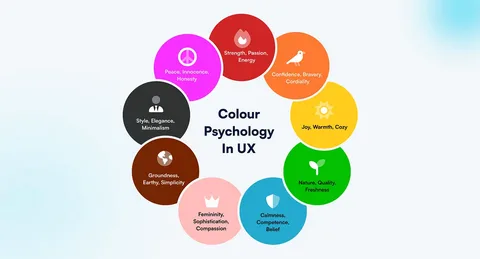
Color Psychology and Contrast
Strategic Color Usage:
- Blue: Trust, professionalism, stability (ideal for financial, healthcare, tech platforms)
- Red: Urgency, excitement, importance (effective for sales, limited offers)
- Green: Growth, health, eco-friendly (suitable for wellness, sustainability platforms)
- Orange: Creativity, enthusiasm, action (strong for creative industries, CTAs)
Contrast Ratios: Maintain WCAG 2.1 AA standards with a minimum 4.5:1 contrast ratios between text and backgrounds for accessibility and readability.
Typography Hierarchy
Heading Sizes: Create a clear distinction between H1 (largest, primary message), H2 (section headers), and H3 (subsection headers) within featured areas.
Font Selection: Limit to 2-3 complementary fonts maximum: one for headings, one for body text, and optionally one accent font for special elements.
Readability Standards:
- Minimum 16px for body text
- Generous line height (1.5-1.8)
- Optimal line length (50-75 characters per line)
- Left alignment for body text in Western languages
Technical Optimization for Featured Sections
Performance and Load Speed
Image Optimization:
- Use WebP format for 25-35% smaller file sizes versus JPEG
- Implement lazy loading for below-the-fold images
- Serve responsive images sized appropriately for different devices
- Compress images without visible quality loss (80-85% quality typically optimal)
Code Efficiency:
- Minimize CSS and JavaScript files
- Eliminate render-blocking resources
- Defer non-critical JavaScript loading
Accessibility Standards
Semantic HTML: Use proper HTML5 semantic elements (header, nav, section, article) for screen reader compatibility and SEO benefits.
Alt Text: Every image in featured sections requires descriptive alt text explaining content for visually impaired users and search engines.
Keyboard Navigation: Ensure all interactive elements in featured sections can be accessed and activated using the keyboard alone.
ARIA Labels: Implement appropriate ARIA attributes for complex interactive elements like carousels or accordions.
SEO Considerations
Structured Data Markup: Implement schema.org markup for featured content, products, or articles to enhance search engine understanding and enable rich snippets.
Heading Tag Hierarchy: Use H1 tags for main featured headlines (one per page) with logical H2-H6 progression through supporting sections.
Internal Linking: Featured sections should include strategic internal links to related content, improving SEO crawlability and user navigation. [Internal link: “Advanced Web Design Strategies for 2026”]
Keyword Integration: Naturally incorporate relevant keywords in featured section headlines and copy without forcing or over-optimizing.
Content Strategy for Maximum Engagement
Personalization and Dynamic Content
User Behavior Tracking: Display featured sections based on previous browsing history, purchase patterns, or engagement metrics.
Geographic Personalization: Adjust featured content, offers, or messaging based on visitor location for relevance and resonance.
Time-Based Variations: Rotate featured sections based on time of day, day of week, or seasonal relevance.
Social Proof Integration
Customer Reviews and Ratings: Feature authentic testimonials, star ratings, or review snippets prominently in relevant sections.
User-Generated Content: Showcase customer photos, videos, or stories demonstrating real-world product usage or service results.
Trust Badges and Certifications: Display security seals, industry certifications, or partner logos to build credibility.
Real-Time Activity: Show recent purchases, sign-ups, or content views, creating social validation and FOMO.
Scarcity and Urgency Techniques
Countdown Timers: Display time-limited offers witha visual countdown, creating urgency without being manipulative.
Exclusive Access: “VIP members only” or “Early access for subscribers” creates perceived value.
Trending Indicators: “Trending now” or “Most popular” labels highlight what others find valuable.
Mobile-First Featured Section Design
Mobile-Specific Considerations
Thumb-Friendly Design: Position CTAs and interactive elements within easy thumb reach (bottom third of screen and center areas).
Touch Targets: Minimum 48×48 pixel tap targets with adequate spacing, preventing accidental taps.
Loading Optimization: Mobile users often have slower connections; prioritize aggressive performance optimization for mobile-featured sections.
Common Mistakes to Avoid
Overcrowding Featured Sections
Cramming too much information, too many images, or excessive CTAs creates decision paralysis and reduces effectiveness. Focus on one primary message per featured section.
Auto-Playing Audio
Generic Stock Photography
Overused stock images create a disconnect and reduce credibility. Invest in custom photography or select unique, authentic stock images.
Unclear Value Propositions
Visitors should understand what you offer and why it matters within 3-5 seconds. Vague messaging wastes your most valuable real estate.
Ignoring Analytics
Design decisions should be data-driven. Regularly review heatmaps, click-through rates, bounce rates, and conversion metrics to inform featured section optimization.
Tools and Resources for Creating Featured Sections
Design and Prototyping Tools
Figma: Collaborative interface design with component libraries perfect for featured section mockups
Adobe XD: Comprehensive design and prototyping with auto-animate features for interactive presentations
Canva: Accessible design tool with templates and elements ideal for non-designers creating featured graphics
Analytics and Testing Platforms
Google Analytics 4: Track featured section performance through event tracking and conversion goals
Hotjar: Heatmaps and session recordings revealing how users interact with featured sections
Optimizely: A/B testing platform for systematic featured section optimization
Development Frameworks
Bootstrap: Responsive grid system and components accelerating featured section development
Tailwind CSS: Utility-first CSS framework enabling rapid custom designs
Webflow: A visual development platform allowing designers to create production-ready featured sections without deep coding knowledge
Conclusion
. The featured sections you create serve as your platform’s first impression, primary navigation tool, and most powerful conversion driver—making their careful design essential for online success.
Ready to transform your platform with compelling featured sections? Start by auditing your current featured areas, identifying opportunities for improvement based on the strategies in this guide. Begin crafting engaging featured sections for your online platform today by sketching your ideal homepage layout, selecting 3-5 priority messages to feature, and creating compelling headlines that communicate clear value. Your featured sections represent your best opportunity to capture attention, build trust, and guide visitors toward meaningful actions. Make every pixel count, test relentlessly, and watch your engagement and conversions soar.

